THE ARTISTS OF LYRICAL ABSTRACTION
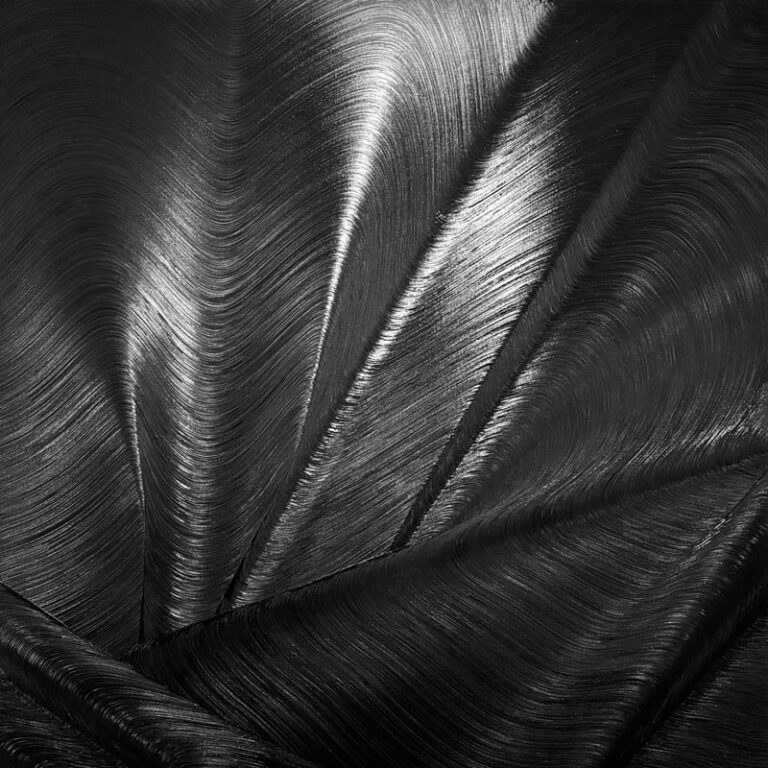
Lyrical painting is defined by the desire to express a personal emotion in a pictorial work. To this end, lyrical abstraction, stemming from the informal movement, breaks away from the usual conventions of painting. This technique allows the artist to intuitively translate their feelings onto the canvas. Thus, abstract lyrical painting is characterized by:
emotions expressed in an abstract language;
colors, textures, and forms applied to the canvas through spontaneous gestures;
innovative creative processes such as tachisme, paint splatter, monochromes, scraping, brushing, and deconstruction.
By capturing emotions and feelings on the canvas, this form of non-figurative expression takes the viewer on a journey that is both hypnotic and introspective. Kandinsky is the founding father of lyrical abstraction in the 1920s. Trusting his instincts and expressing himself freely, he mixed colors without any figurative or geometric reference points. Paul Klee and Piet Mondrian, equally “mystical,” followed in his footsteps while developing their own distinct styles. Other artists, following in their footsteps—Hans Hartung and then Joan Miró in particular—in turn deployed, in the 1920s, astonishing plastic forms that can already be described as abstract lyricism. All of them paved the way—or rather, the paths—for subsequent generations who took up these explorations to create new modes of expression, sometimes heavily focused on color, sometimes completely liberating the artist’s gestures. Among these great names are Nicolas de Staël, Pierre Soulages, and the Chinese artist Zao Wou-Ki.
THE MOVEMENT'S ARTISTS
List of gallery artists ⇓